What is General Average : What Importers and Cargo Owners Need to Know

What is General Average : What Importers and Cargo Owners Need to Know

A maritime accident can have financial consequences far beyond the physical damage to a vessel or its cargo. The recent fire incident involving the container vessel HMM PLATINUM (IMO: 9637155) has once again brought an important principle of international maritime law into focus: General Average (GA). Following the incident, HMM officially declared General Average, requiring…
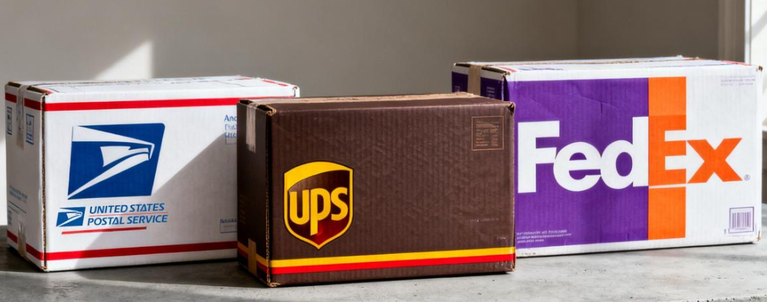

U.S. Small Package Customs Policy Update

U.S. Small Package Customs Policy Update

Introduction The United States continues to tighten its customs procedures for low-value imports, bringing significant changes to cross-border e-commerce, international parcel delivery, and import compliance. One of the most important developments is the suspension of the U.S. de minimis duty exemption, which previously allowed qualifying shipments valued at $800 or less to enter the country…

U.S.–China 30-for-30 Tariff Recommendations: What Importers Should Verify in 2026

U.S.–China 30-for-30 Tariff Recommendations: What Importers Should Verify in 2026

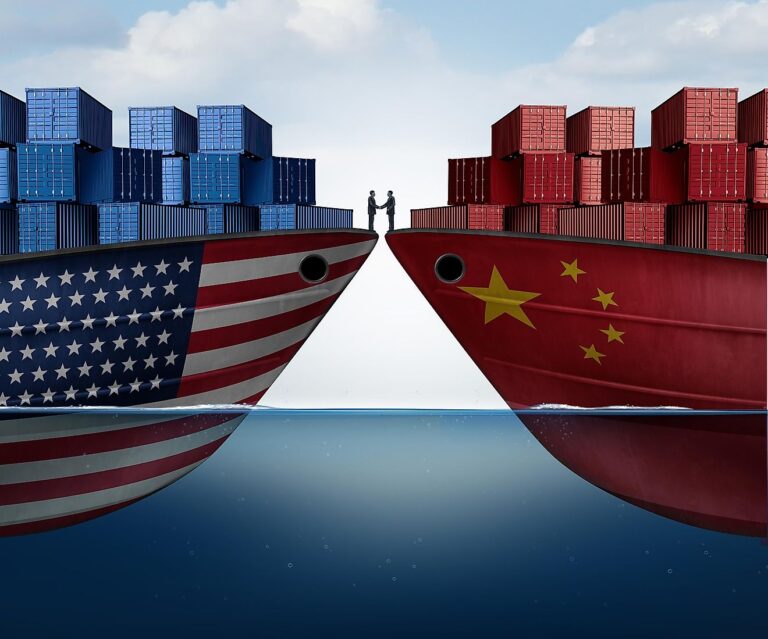
Updated October 18, 2026. This article has been revised to distinguish legal requirements, implementation dates and shipment-specific checks. The United States and China have published product recommendations under the 30-for-30 framework. Publication of the lists does not, by itself, establish a lower duty rate for a shipment. Importers should verify the implementing measure, exact product…

pexels-photo-33587048-33587048.jpg

CBP Moves to Strengthen Import Supply Chain Transparency

On September 2, 2026, U.S. Customs and Border Protection (CBP) published an Advance Notice of Proposed Rulemaking (ANPRM) titled “Heightened Import Disclosures for Supply Chain Visibility.” The initiative explores whether U.S. importers may eventually be required to provide and retain more detailed information about the foreign suppliers, manufacturers, exporters and other parties involved in an…

U.S. Considers Additional 7.5% Tariff on Chinese Goods

U.S. Considers Additional 7.5% Tariff on Chinese Goods

The U.S.-China trade relationship is once again facing potential changes. According to recent reports, the Trump administration is considering an additional 7.5% tariff on Chinese goods, citing concerns over China’s industrial overcapacity and the impact of low-priced exports on U.S. manufacturers. The proposal has not yet been formally implemented, and the final scope, effective date,…

CBP Form 5106 IOR Verification Rules: What U.S. Importers Need to Know Before September 18, 2026

CBP Form 5106 IOR Verification Rules: What U.S. Importers Need to Know Before September 18, 2026

The U.S. Customs and Border Protection (CBP) is moving toward a more rigorous approach to verifying the identity and information of Importers of Record (IORs). On August 19, 2026, CBP published a notice in the Federal Register announcing enhanced enforcement procedures for verifying the accuracy of information submitted through CBP Form 5106, the Create/Update Importer…

USA IEEPA Tariff Refunds in 2026

USA IEEPA Tariff Refunds in 2026

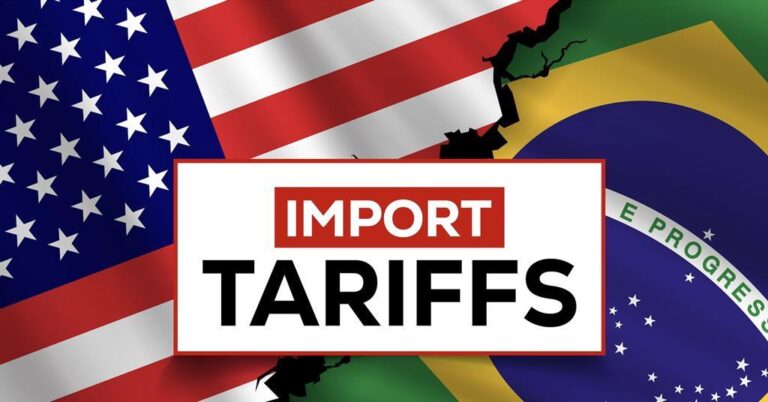
For U.S. importers, the tariff landscape in 2026 has changed dramatically. After the U.S. Supreme Court ruled in February 2026 that the Trump administration exceeded its authority when it used the International Emergency Economic Powers Act (IEEPA) to impose broad tariffs, attention quickly shifted from tariff collection to something equally important for businesses: refunds. Billions…

What Is an EORI Number?

What Is an EORI Number?

If your business imports into or exports from the European Union, an EORI number is one of the first customs requirements you need to understand. Without a valid EORI number, customs authorities generally cannot process import or export declarations, which may result in shipment delays or customs clearance being refused. In this guide, we’ll explain…

How to Verify a U.S. Customs Bond (CBP Bond): A Practical Guide for Importers

How to Verify a U.S. Customs Bond (CBP Bond): A Practical Guide for Importers

Avoid Customs Delays, Bond Insufficiency Notices, and Unexpected Clearance Issues For companies importing goods into the United States, having a valid U.S. Customs Bond (CBP Bond) is not simply a compliance requirement—it is essential for ensuring smooth customs clearance. Understanding how to verify your bond before shipment can help you avoid costly storage charges, customs…

pexels-photo-11555089-11555089.jpg

CPSC eFiling in 2026: Requirements, Entry Processing and Importer Preparation

Updated October 18, 2026. This article has been revised to distinguish legal requirements, implementation dates and shipment-specific checks. CPSC’s electronic filing (eFiling) requirements took effect on July 8, 2026 for most covered imports. The final rule on certificates of compliance distinguishes these imports from covered products imported into a foreign-trade zone (FTZ) and subsequently entered…