A Complete Guide to Customs Clearance at the Port of Los Angeles

A Complete Guide to Customs Clearance at the Port of Los Angeles

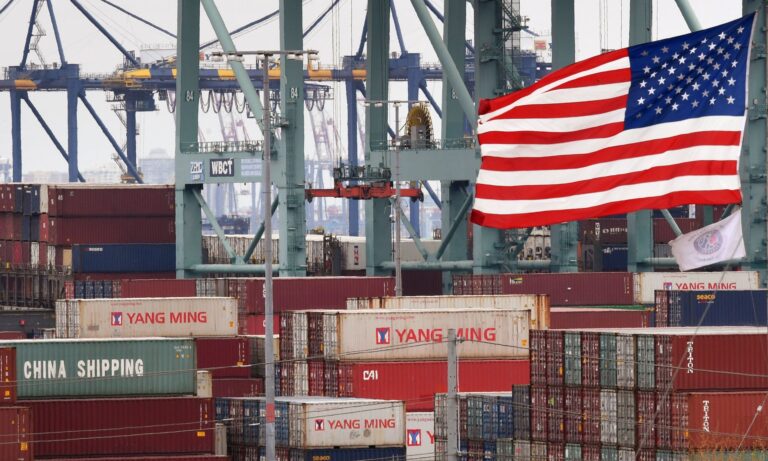
Introduction The Port of Los Angeles (POLA) is the busiest entry point for goods arriving in the United States, particularly from Asia. For importers, especially small and medium-sized businesses (SMBs), understanding the customs clearance process is essential to avoid delays, unexpected costs, and compliance issues. This guide explains how the process works, what documentation is…

New U.S. Tariffs from October 1: What’s Changing, Who’s Affected, and What It Might Mean

New U.S. Tariffs from October 1: What’s Changing, Who’s Affected, and What It Might Mean

Later this week, the United States government is set to implement a new slate of import tariffs covering several product categories. Announced by President Trump, these measures are part of a broader trade policy strategy aimed at protecting U.S. industries, promoting domestic manufacturing, and invoking national-security justifications under U.S. trade law. Below is a breakdown…

Why U.S. Customs Inspections on Chinese Imports Are Increasing in 2025: Updated with Inspection Protocols

Why U.S. Customs Inspections on Chinese Imports Are Increasing in 2025: Updated with Inspection Protocols

In recent months, importers and freight forwarders have noticed a notable rise in customs inspections on shipments arriving in the U.S. from China. This uptick is no coincidence—it stems from evolving trade policies, stricter enforcement, and refined operational procedures by U.S. Customs and Border Protection (CBP). Here’s what’s behind it—and how inspections are being conducted….

Additional Fees After U.S. Customs Container Inspections: What Importers Need to Know

Additional Fees After U.S. Customs Container Inspections: What Importers Need to Know

When importing goods into the United States, one of the uncertainties importers face is the possibility of a U.S. Customs and Border Protection (CBP) inspection. While inspections are an essential part of border security and compliance enforcement, they often lead to additional costs that importers should be aware of. Understanding these potential fees in advance…

Key Considerations for Consignees When Importing from China to the U.S. via DDP – A Detailed Analysis of the DDP Incoterm

Key Considerations for Consignees When Importing from China to the U.S. via DDP – A Detailed Analysis of the DDP Incoterm

Introduction Delivered Duty Paid (DDP) is among the most comprehensive Incoterms® offered by the International Chamber of Commerce. Under DDP, the seller assumes maximum responsibility, including transport, customs clearance, duties, and taxes, delivering the goods to the consignee’s location in the importing country. While DDP streamlines many logistical hurdles, consignees must remain vigilant about several…

U.S. Section 301 Tariff Exemptions Set to Expire on August 31, 2025

U.S. Section 301 Tariff Exemptions Set to Expire on August 31, 2025

The clock is ticking on a major trade policy update. On August 31, 2025, the current set of tariff exclusions under the U.S. Section 301 measures against Chinese imports will officially expire. Beginning September 1, 2025, products that had been temporarily shielded will once again be subject to additional tariffs of either 7.5% or 25%….

CBP Implements New 50% Section 232 Tariffs on Steel & Aluminum Derivatives — Effective August 18, 2025

CBP Implements New 50% Section 232 Tariffs on Steel & Aluminum Derivatives — Effective August 18, 2025

August 18, 2025 — The U.S. Customs and Border Protection (CBP) has issued a major update to Section 232 tariffs under U.S. trade law. Effective 12:01 a.m. Eastern Time on August 18, 2025, a 50% ad valorem duty will now be applied to a broad expansion of steel and aluminum derivative products. This update reflects…

Are all batteries considered hazardous goods? These types can be shipped as general cargo!

Are all batteries considered hazardous goods? These types can be shipped as general cargo!

I. Hazardous or Non-Hazardous? Battery Classification Comes First Before discussing the transport classification of batteries, we must clarify one key question: Which types of batteries are classified as dangerous goods, and which are not? In fact, the first step in making this judgment lies in identifying the type of battery. Due to differences in chemical…

Quick Reference Table of 27 Types of “Battery Dangerous Goods”

Quick Reference Table of 27 Types of “Battery Dangerous Goods”

By checking against the UN numbers in Chapter 3.2 “Dangerous Goods List” of the UN Model Regulations on the Transport of Dangerous Goods, there are 27 dangerous goods whose proper shipping names contain the word “battery.” Each of these has its own unique UN number—think of it as the “ID tag” for a battery—playing a…

g4977064a07fd0be5d484cf538d7e7fbe279c422d3d47543ceaa34e4a1e036e0293b931f0f292e9421b50bcc292d0e2df4b8810ea53056d78558f10b2dcf6bd4f_1280-1569694.jpg
|

U.S. Escalates Crackdown on Transshipment: 40% Tariff Penalty for Circumvention – What Importers Must Know

The U.S. will impose 40% tariffs on goods suspected of transshipment via third countries to evade duties. Learn how new enforcement measures target metals, auto parts, solar panels, and more. Update as of July 31, 2025 The White House has issued a new directive strengthening enforcement against transshipment used to avoid tariffs. According to the…