U.S.–China 30-for-30 Tariff Recommendations: What Importers Should Verify in 2026

U.S.–China 30-for-30 Tariff Recommendations: What Importers Should Verify in 2026

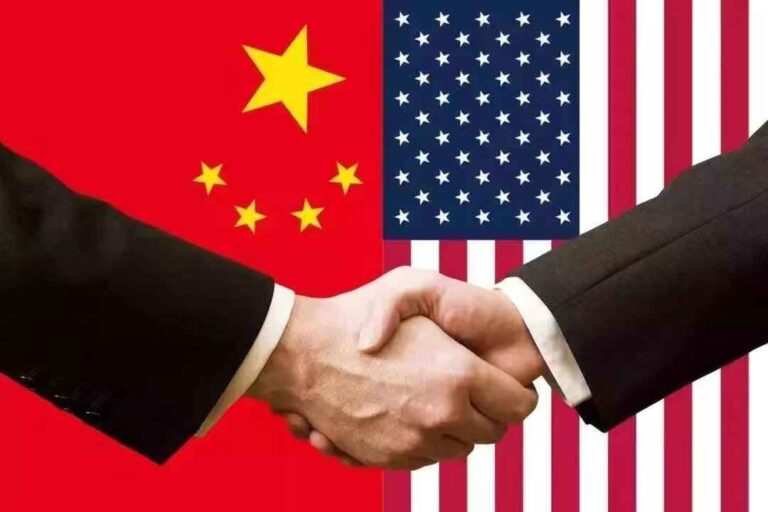
Updated October 18, 2026. This article has been revised to distinguish legal requirements, implementation dates and shipment-specific checks. The United States and China have published product recommendations under the 30-for-30 framework. Publication of the lists does not, by itself, establish a lower duty rate for a shipment. Importers should verify the implementing measure, exact product…
pexels-photo-33587048-33587048.jpg

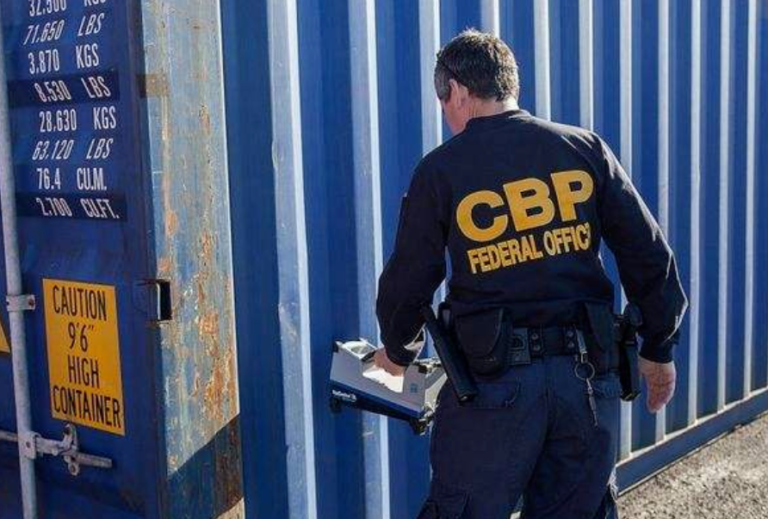
CBP Moves to Strengthen Import Supply Chain Transparency

On September 2, 2026, U.S. Customs and Border Protection (CBP) published an Advance Notice of Proposed Rulemaking (ANPRM) titled “Heightened Import Disclosures for Supply Chain Visibility.” The initiative explores whether U.S. importers may eventually be required to provide and retain more detailed information about the foreign suppliers, manufacturers, exporters and other parties involved in an…

U.S. Considers Additional 7.5% Tariff on Chinese Goods

U.S. Considers Additional 7.5% Tariff on Chinese Goods

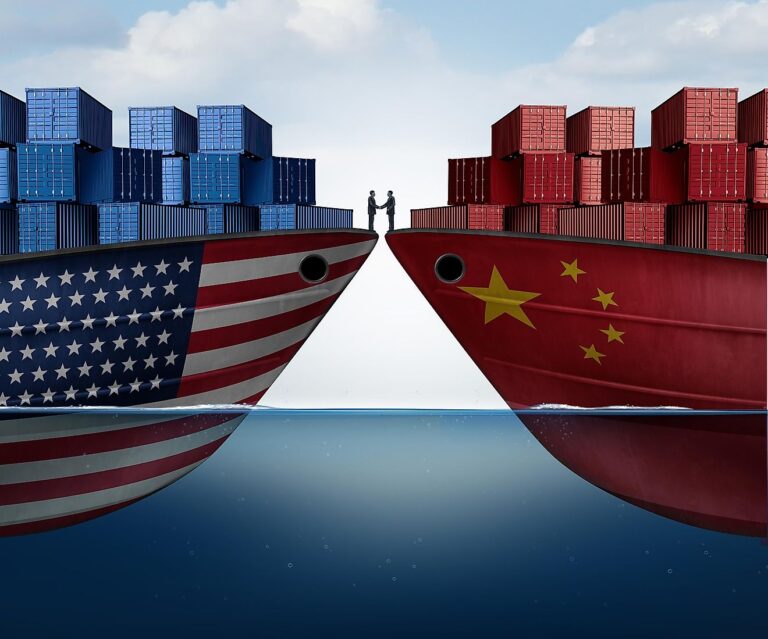
The U.S.-China trade relationship is once again facing potential changes. According to recent reports, the Trump administration is considering an additional 7.5% tariff on Chinese goods, citing concerns over China’s industrial overcapacity and the impact of low-priced exports on U.S. manufacturers. The proposal has not yet been formally implemented, and the final scope, effective date,…

CBP Form 5106 IOR Verification Rules: What U.S. Importers Need to Know Before September 18, 2026

CBP Form 5106 IOR Verification Rules: What U.S. Importers Need to Know Before September 18, 2026

The U.S. Customs and Border Protection (CBP) is moving toward a more rigorous approach to verifying the identity and information of Importers of Record (IORs). On August 19, 2026, CBP published a notice in the Federal Register announcing enhanced enforcement procedures for verifying the accuracy of information submitted through CBP Form 5106, the Create/Update Importer…

USA IEEPA Tariff Refunds in 2026

USA IEEPA Tariff Refunds in 2026

For U.S. importers, the tariff landscape in 2026 has changed dramatically. After the U.S. Supreme Court ruled in February 2026 that the Trump administration exceeded its authority when it used the International Emergency Economic Powers Act (IEEPA) to impose broad tariffs, attention quickly shifted from tariff collection to something equally important for businesses: refunds. Billions…

pexels-photo-11555089-11555089.jpg

CPSC eFiling in 2026: Requirements, Entry Processing and Importer Preparation

Updated October 18, 2026. This article has been revised to distinguish legal requirements, implementation dates and shipment-specific checks. CPSC’s electronic filing (eFiling) requirements took effect on July 8, 2026 for most covered imports. The final rule on certificates of compliance distinguishes these imports from covered products imported into a foreign-trade zone (FTZ) and subsequently entered…

pexels-photo-36834653-36834653.jpg

U.S. CBP Revokes Hundreds of Customs Broker Licenses

The U.S. customs compliance environment continues to tighten. On June 10, 2026, the U.S. Customs and Border Protection (CBP) published an official notice in the Federal Register announcing that more than 800 customs broker licenses across 39 U.S. ports have been revoked by operation of law after the affected brokers failed to submit the required…

U.S. Customs Enforcement Escalates Again: Understanding the Rising Impact of 9H Holds and Bond Restrictions

U.S. Customs Enforcement Escalates Again: Understanding the Rising Impact of 9H Holds and Bond Restrictions

The U.S. import compliance environment is becoming significantly stricter in 2026. While the logistics industry was still dealing with the impact of the earlier “5H inspections,” a new customs enforcement trend is rapidly emerging: the 9H Hold. At the same time, multiple surety companies have begun tightening Customs Bond approvals, with some existing Bonds reportedly…

U.S. Accelerates Section 301 Investigations, Expanding Potential Tariffs Across 60 Trade Partners

U.S. Accelerates Section 301 Investigations, Expanding Potential Tariffs Across 60 Trade Partners

The United States is entering a new phase of trade enforcement as the Office of the United States Trade Representative (USTR) advances a sweeping set of Section 301 investigations covering approximately 60 major trading partners. Public hearings held on April 28–29 at the U.S. International Trade Commission (USITC) mark the transition from procedural review to…

g9618de18f9d259e523fc36fa4fa4e18564f0f9e376930d07682a818146b782fb70c1f444591f92dd8d66c960525508fd85ec4770e5176fac4bf92313aebdcdd0_1280-1068986.jpg

U.S. Tariff Refund Update: CBP Confirms $150B+ Refund Process Starting April 20

The long-anticipated update on U.S. tariff refunds has finally been confirmed. What began as a wave of aggressive tariff policies under Donald Trump is now transitioning into one of the largest refund processes in global trade history. From importers and freight forwarders to customs brokers and compliance teams, the entire supply chain has absorbed significant…