
$170 Billion in Tariff Refunds to U.S. Importers?
In recent months, discussions surrounding potential tariff refunds totaling up to $170 billion have captured the attention of U.S. importers, logistics providers, and policymakers. For many American businesses and consumers who have been affected by years of trade tariffs, the possibility of refunds from U.S. Customs could have significant financial implications.
But what exactly is happening, and who could benefit from these refunds?
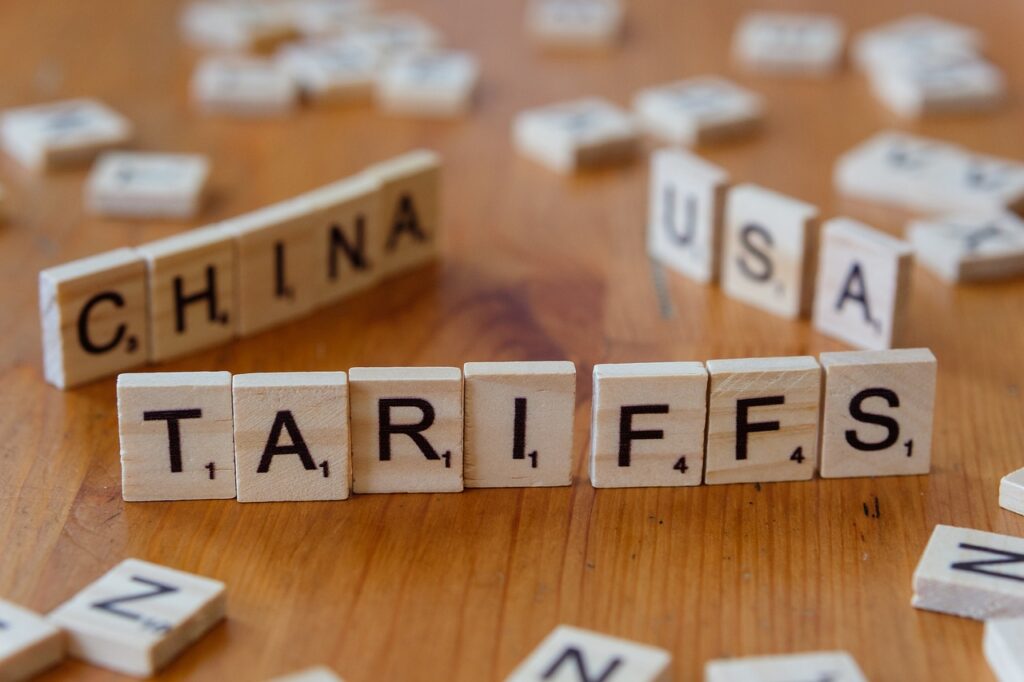
Background: Why Are Tariff Refunds Being Discussed?
Since 2018, the United States has imposed a series of tariffs on imported goods—particularly products from China—under Section 301 of the Trade Act. These tariffs have impacted a wide range of industries, from consumer electronics and furniture to machinery and home goods.
Over time, several companies challenged the legality of these tariffs in U.S. courts, arguing that certain tariff increases were implemented without proper administrative procedures. As a result, a large number of lawsuits were filed seeking refunds of the duties already paid.
Legal experts estimate that the potential refund amount tied to these disputes could reach approximately $170 billion, depending on the outcomes of ongoing litigation.
For many importers, this could represent a major opportunity to recover costs that have significantly increased their supply chain expenses over the past few years.
Why This Matters to U.S. Businesses and Consumers
Tariffs often function as an indirect tax on imports, and in many cases, those costs are passed along through the supply chain.
This means the impact of tariffs has extended far beyond importers themselves.
Potential effects of tariff refunds include:
1. Lower costs for importers
If refunds are granted, companies that paid tariffs could recover millions—or even billions—of dollars. This could help improve cash flow and reinvestment into business operations.
2. Potential price relief for consumers
While refunds may not immediately translate into lower retail prices, they could ease cost pressures on supply chains, which may eventually benefit consumers.
3. Changes in supply chain strategies
The uncertainty surrounding tariffs has already pushed many companies to diversify sourcing outside of China. If refunds are approved, businesses may reassess their sourcing strategies and long-term trade planning.
Which Industries Could Be Affected?
Tariffs imposed during the trade tensions affected thousands of product categories. Some of the industries most impacted include:
- Furniture and home décor
- Consumer electronics
- Machinery and industrial equipment
- Textiles and apparel
- Automotive components
- Household goods and appliances
Many of these sectors rely heavily on global manufacturing networks, meaning tariff costs have directly influenced product pricing and logistics decisions.
What Should Importers Do Now?
Although the full outcome of tariff-related litigation is still uncertain, importers should stay informed and prepared.
Key steps businesses may consider include:
- Consulting with trade compliance experts
- Monitoring legal developments related to Section 301 tariffs
- Evaluating potential refund eligibility
For companies that have paid significant duties over the past several years, the possibility of refunds could represent an important financial recovery opportunity.
The Logistics Perspective
For logistics providers and freight forwarders, tariff policies continue to shape global supply chain flows. Changes in tariffs—or potential refunds—can influence sourcing locations, shipping volumes, and inventory strategies.
As global trade policies evolve, importers increasingly rely on logistics partners who understand both transportation operations and regulatory developments.
Staying informed about customs regulations, trade policies, and tariff updates is becoming just as critical as managing shipping schedules. As Linkway Freight Limited who will be your reliable partner in your business. Connect with us!


