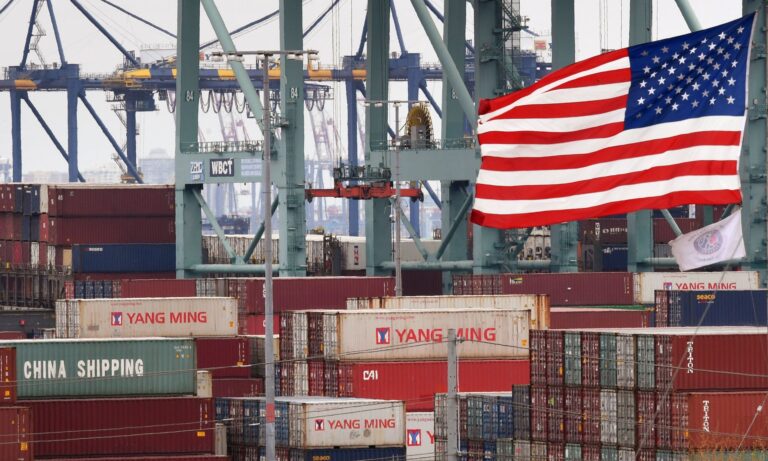
U.S. Imposes Up to 721% Tariffs on Chinese Graphite Anode Materials:
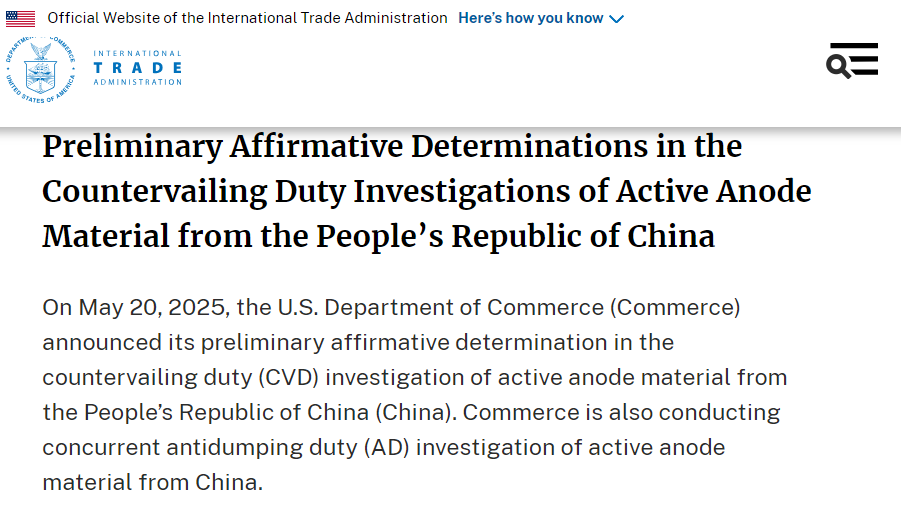
On May 20, 2025, the U.S. Department of Commerce announced a preliminary affirmative determination in its countervailing duty (CVD) investigation concerning active anode materials imported from China. This decision entails imposing tariffs of up to 721% on synthetic and natural graphite anode materials, essential components in lithium-ion batteries used in electric vehicles (EVs) and other energy storage systems.
Understanding the Tariff Decision
The Department of Commerce’s investigation revealed that Chinese producers of graphite anode materials have benefited from substantial government subsidies, allowing them to export these materials at artificially low prices. Such practices have been deemed detrimental to U.S. manufacturers, prompting the imposition of significant countervailing duties to level the playing field.
Concurrently, an antidumping (AD) investigation is underway to assess whether Chinese exporters have been selling graphite anode materials in the U.S. at prices below fair market value. The preliminary determination for the AD investigation is expected by July 16, 2025, with final determinations for both CVD and AD cases anticipated around December 5, 2025.
Impact on the Electric Vehicle Industry
Graphite anode materials are critical for the performance and longevity of lithium-ion batteries, which power a vast array of EVs. The U.S. heavily relies on imports for these materials, with approximately 59% of natural graphite and 68% of synthetic graphite sourced from China.
The imposition of such steep tariffs is likely to increase the cost of battery production in the U.S., potentially leading to higher prices for EVs. This development could hinder the adoption of electric vehicles, a key component of the country’s strategy to reduce greenhouse gas emissions and combat climate change.
Major EV manufacturers, including Tesla, have expressed concerns over the tariffs, citing the lack of sufficient domestic suppliers for high-quality graphite anode materials. They argue that the tariffs could disrupt supply chains and delay production schedules.
Domestic Industry Response and Opportunities
While the tariffs pose challenges for EV manufacturers, they also present opportunities for domestic producers of graphite anode materials. Companies like NOVONIX and Northern Graphite have welcomed the Department of Commerce’s decision, viewing it as a chance to expand their operations and reduce the nation’s dependence on foreign imports.
NOVONIX, for instance, is developing a new manufacturing facility in Chattanooga, Tennessee, aiming to produce high-performance synthetic graphite for lithium-ion batteries. Similarly, Northern Graphite plans to build a battery materials facility in Canada to meet the growing demand for locally sourced anode materials.
These initiatives align with the U.S. government’s broader strategy to bolster domestic production of critical minerals and enhance energy independence. By investing in local manufacturing capabilities, the U.S. aims to create a more resilient and secure supply chain for essential battery components.
Global Trade Implications
The U.S. decision to impose significant tariffs on Chinese graphite anode materials is indicative of escalating trade tensions between the two nations, particularly in sectors deemed vital for national security and technological advancement. China, as the world’s largest producer of graphite, may view these tariffs as a threat to its economic interests and could respond with retaliatory measures.
Such trade disputes have the potential to disrupt global supply chains, affecting industries beyond EV manufacturing, including electronics, renewable energy, and defense. Stakeholders across these sectors must closely monitor developments and consider strategies to mitigate potential risks associated with supply chain disruptions.
Conclusion
The U.S. Department of Commerce’s preliminary decision to impose up to 721% tariffs on Chinese graphite anode materials marks a significant shift in trade policy, with far-reaching implications for the EV industry and global supply chains. While the move aims to protect domestic manufacturers and promote energy independence, it also presents challenges related to increased production costs and potential supply shortages.
As the situation evolves, companies involved in the production and utilization of lithium-ion batteries must adapt to the changing landscape, exploring alternative sourcing options and investing in domestic capabilities to ensure long-term sustainability and competitiveness.
📞 Let’s Talk Logistics
Have questions about Matson Express or need a customized freight quote?
We’re here to help.
- 📧 Email: zoe@linkwayfrt.com
- 🌐 Website: www.linkwayfrt.com
- 📱 WeChat / WhatsApp Support: +86 13613006504
- 💬 Request a free freight consultation now!