U.S. Imposes New Tariffs on Canada and Brazil: What Importers Need to Know
Overview
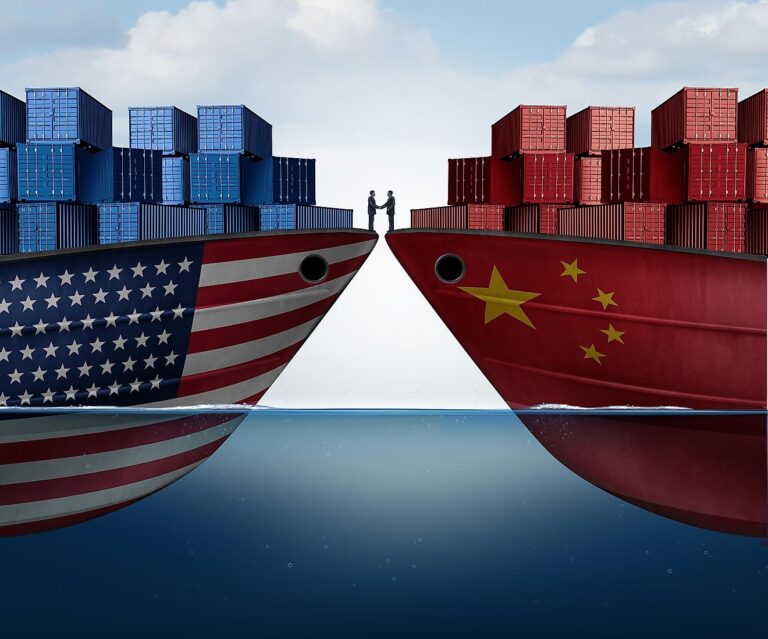
In a significant escalation of its trade policy, the United States government has issued formal notifications of new tariff measures targeting two of its top trading partners — Canada and Brazil. Effective from August 15, 2025, goods originating from Canada will face a 35% import duty, while Brazilian-origin goods will incur a 40% tariff. The move has sent ripples through global supply chains and prompted immediate responses from importers, freight forwarders, and customs compliance professionals.
Background
The decision stems from a broader strategic shift in U.S. trade policy aimed at reducing reliance on specific foreign markets and rebalancing trade deficits. While previous tensions primarily centered on U.S.-China trade, the inclusion of Canada and Brazil—both significant economic allies—marks a notable departure from prior cooperative frameworks.
According to U.S. Trade Representative (USTR) documentation, these tariff hikes are a result of “long-standing structural imbalances and insufficient progress in bilateral negotiations on market access and trade reciprocity.”

Impact on Importers
For U.S. importers, these new tariff rates could translate into significant cost increases across multiple industries, particularly:
- Automotive and Auto Parts: Both Canada and Brazil export large volumes of parts and vehicles to the U.S. market.
- Agricultural Products: Brazil’s soybeans, meat, and coffee exports are directly impacted.
- Raw Materials and Metals: Canada is a major supplier of aluminum and forest products.
This move may prompt many businesses to reconsider their supplier networks or seek preferential treatment under Free Trade Zones (FTZs) or tariff mitigation programs where available.
Logistics & Customs Considerations
As we — Linkway Freight will act swiftly to reassess clients’ import schedules, tariffs classification codes, and declared origin documentation. It is crucial to ensure that shipments arriving after the effective date are either:
- Pre-cleared under existing lower duty rates (if possible); or
- Supported by updated cost structures to reflect the higher landed cost.
For shipments already en route, importers may consider bonded warehousing to delay duty payments until strategic decisions are made.
Industry Response
While some U.S. manufacturers welcome the move as a step toward protecting domestic industries, others express concern over supply chain instability and retaliatory actions. Canadian and Brazilian trade ministries have both signaled that they are evaluating potential countermeasures through the World Trade Organization (WTO).
Industry associations such as the National Association of Manufacturers (NAM) and the American Apparel & Footwear Association (AAFA) have released statements urging the U.S. administration to reconsider or at least provide grace periods for in-transit shipments.
What You Can Do
If your company is currently sourcing goods from Canada or Brazil, here are a few recommended steps:
- Review your HS codes for all imported products to confirm country of origin accuracy.
- Contact your suppliers to explore alternative origins or renegotiate cost structures.
- Speak with your freight forwarder or customs consultant to model the new cost impact.
- Consider trade programs such as duty drawback, FTZ entry, or regional trade agreements.
- Monitor further policy announcements closely, as exemptions or retaliatory measures may evolve rapidly.
Final Thoughts
Global trade is increasingly unpredictable, and agility is essential. At Linkway Freight, we are committed to helping our clients navigate these complex regulatory shifts. If you need assistance in understanding how these new tariffs affect your logistics and compliance strategies, feel free to reach out to our team of experts.
📩 Contact Us Today
Have questions about how these tariff changes impact your business? Email us at ZOE@LINKWAYFRT.COM or call +86 13613006504.
We are happy to take care of every link of your shipments.