U.S. Small Package Customs Policy Update
Introduction
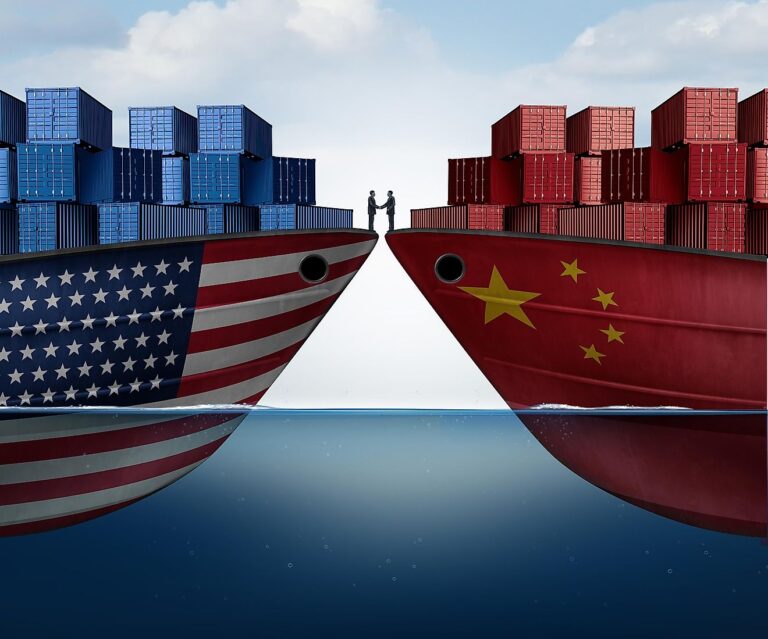
The United States continues to tighten its customs procedures for low-value imports, bringing significant changes to cross-border e-commerce, international parcel delivery, and import compliance.
One of the most important developments is the suspension of the U.S. de minimis duty exemption, which previously allowed qualifying shipments valued at $800 or less to enter the country without customs duties under Section 321. Since August 29, 2025, this duty-free treatment has been suspended for shipments from all countries, subject to limited exceptions.
In 2026, U.S. Customs and Border Protection (CBP) introduced further regulatory changes affecting international mail shipments, including a new postal informal entry process. A recent update published on October 22, 2026, also extended the compliance deadline for certain formal-entry requirements to January 20, 2027.
For U.S. importers and businesses sourcing products from overseas, understanding these changes is essential for managing import costs, customs clearance, and delivery schedules.
1. The $800 De Minimis Exemption Is No Longer Generally Available
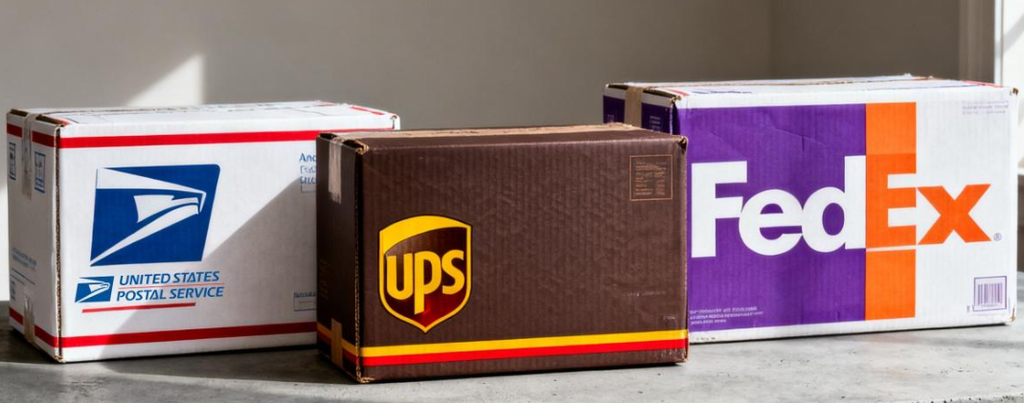
Previously, the de minimis rule allowed eligible shipments with a fair retail value of $800 or less per person per day to receive duty-free treatment, subject to applicable conditions.
Following changes introduced in 2025, shipments from all countries generally became ineligible for this exemption, regardless of their declared value or country of origin.
This means that low-value commercial packages shipped from China and other international sourcing markets may now be subject to applicable customs duties, taxes, and fees.
Importers should be aware that:
- Low declared value does not automatically mean duty-free entry. Applicable duties depend on the product, tariff classification, country of origin, and current trade measures.
- Customs compliance remains necessary. Accurate product descriptions, declared values, and other required import information are important for clearance.
- Shipping costs may increase. Duties and additional processing requirements can affect the total landed cost of small-package imports.
Businesses should review their existing pricing and fulfillment arrangements to determine how these changes affect their import budgets.
Source: U.S. Customs and Border Protection (CBP), guidance on the suspension of duty-free de minimis treatment.
2. New Customs Procedures for International Mail in 2026
On June 24, 2026, CBP published a rule indefinitely suspending the de minimis administrative exemption for merchandise arriving through the international postal network and establishing a new postal informal entry process for eligible shipments valued at $2,500 or less.
The new process took effect on July 24, 2026, with specific requirements depending on the type of merchandise and the applicable entry procedure.
However, not every postal shipment qualifies for informal entry. Certain goods subject to Partner Government Agency (PGA) requirements, specified tariff provisions, or claims for particular duty-free treatment may require formal entry.
On October 22, 2026, CBP published a further extension, moving the compliance deadline for certain formal-entry requirements from October 22, 2026, to January 20, 2027.
This extension provides additional preparation time for importers, customs brokers, and logistics providers. It does not restore the former $800 duty-free exemption.
For businesses using international postal services, the key priority is to confirm which entry process applies to their products and ensure that their shipping partners can meet the relevant customs requirements.
3. What These Changes Mean for U.S. Importers
The evolving rules may affect businesses differently depending on their shipment volume, product category, and transportation method.
Higher Landed Costs
Importers can no longer assume that small shipments will be free of customs duties simply because their declared value falls below $800. Applicable tariffs and fees should be considered when calculating the total landed cost of imported goods.
Greater Importance of Accurate Documentation
Product descriptions, HS codes, country-of-origin information, and customs values should be reviewed carefully before shipment. Incorrect or incomplete declarations can create clearance delays, additional costs, or compliance risks.
More Complex E-Commerce Fulfillment
Businesses that rely on frequent low-value parcels may need to reassess their fulfillment strategies, duty collection arrangements, and shipping costs. Depending on the circumstances, consolidating shipments or using commercial ocean or air freight with appropriate customs clearance may be worth evaluating.
Better Coordination with Logistics Partners
Importers should confirm in advance who will handle customs entry, duty payment, documentation, and any additional regulatory requirements. Clear communication can help reduce unexpected charges and delivery disruptions.
How Linkway Freight Supports Your U.S. Import Operations
At LINKWAY FREIGHT LIMITED, we understand that changing U.S. customs requirements can make international shipping more challenging for importers.
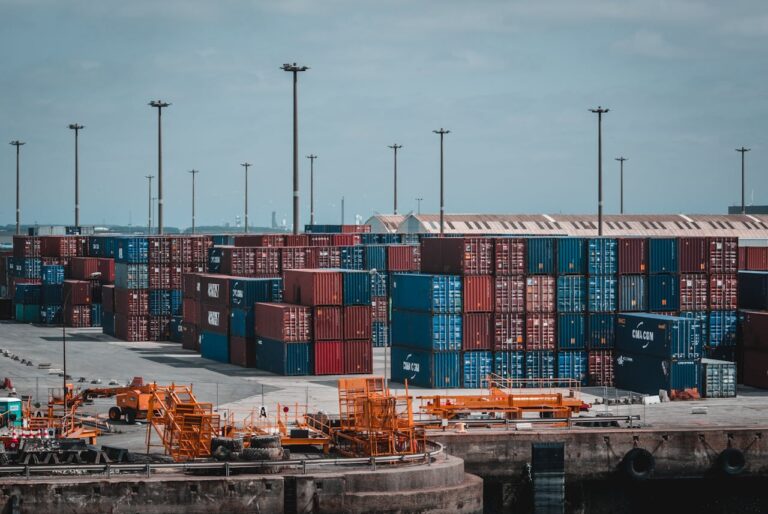
We provide ocean freight solutions from China and selected Southeast Asian origins to the United States, including port-to-port and port-to-door transportation, as well as door-to-door arrangements with customs clearance and final delivery coordination through our U.S. partners.
Our team can help businesses evaluate shipping options, review shipment information, and coordinate transportation arrangements based on their cargo requirements.
Whether you are importing regular commercial cargo or looking to optimize your supply chain, selecting an appropriate shipping method and preparing accurate documentation can help improve cost visibility and operational efficiency.
Planning your next shipment to the United States?
Contact LINKWAY FREIGHT LIMITED to discuss your cargo details and explore suitable shipping solutions for your business.