U.S. Plans to Reduce Fentanyl-Linked Tariffs on Chinese Goods – What It Means for Trade and Logistics
In a surprising move this week, President Donald Trump announced that the U.S. government is preparing to lower tariffs on certain Chinese imports that were previously imposed in connection with fentanyl-related chemical concerns. The statement came just ahead of his meeting with Chinese President Xi Jinping, signaling a potential shift in Washington’s trade strategy toward China.
According to reports from major outlets including Reuters and The Wall Street Journal, the current 20% tariff on fentanyl-linked chemical goods could be cut to around 10% if China strengthens enforcement against the export of fentanyl precursors. The announcement marks a rare softening in the ongoing trade tensions between the world’s two largest economies.
A Trade and Security Crossover
The original tariffs were not only economic tools but also part of the U.S. effort to curb the devastating opioid crisis by pressuring China to tighten its control over synthetic opioid chemicals. By easing the tariffs, the U.S. is signaling openness to cooperation—provided China continues to implement stricter export controls and law enforcement measures.
While this policy focuses on chemical goods, analysts see it as a positive signal for broader U.S.–China trade relations, potentially paving the way for further tariff reviews or trade normalization discussions.
Impact on U.S. Importers and Supply Chains
For U.S. importers, especially those sourcing from China, the tariff reduction could mean lower import duties, improved cash flow, and reduced landed costs. Even though most consumer products remain unaffected by this specific policy, the broader market sentiment may improve, boosting overall trade confidence and shipment volumes.
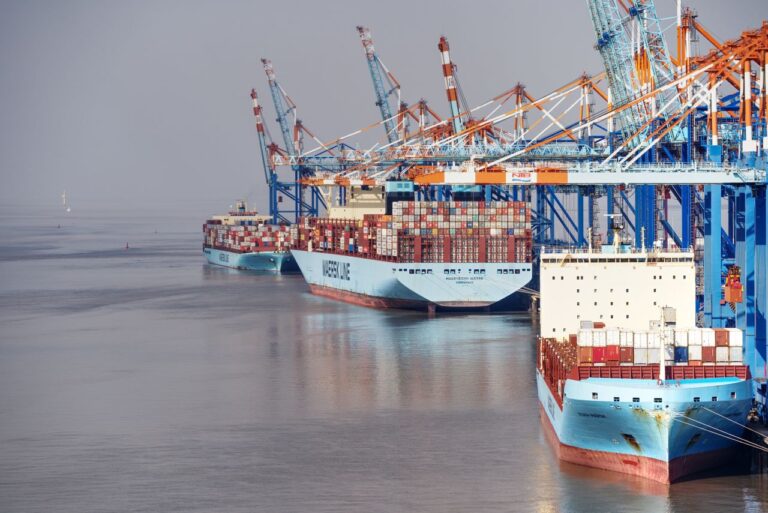
Logistics professionals expect that a friendlier trade environment could stabilize freight rates and improve port congestion conditions, especially at major gateways such as Los Angeles, Savannah, and New York. Companies engaged in door-to-door shipping, DDP solutions, and U.S. customs clearance services may also benefit from smoother customs operations and lower risk of regulatory delays.
Looking Ahead
While Trump’s comments sparked optimism, both governments have yet to release detailed implementation timelines or lists of affected goods. As negotiations continue, trade experts caution that policy volatility remains high. Importers are advised to plan shipments strategically, locking in freight rates and customs solutions before year-end changes take effect.
For Linkway Freight, we know staying informed and flexible is key. The next few months may bring new opportunities for cost optimization—especially for firms offering end-to-end ocean freight, customs brokerage, and last-mile delivery solutions across the Pacific trade lane.
We are also delighted to offer door-to-door services and knowledge sharing to all importers. Please feel free to leave a message so that we may provide you with better, more tailored services.
WELCOME TO CONTACT US ANYTIMES